

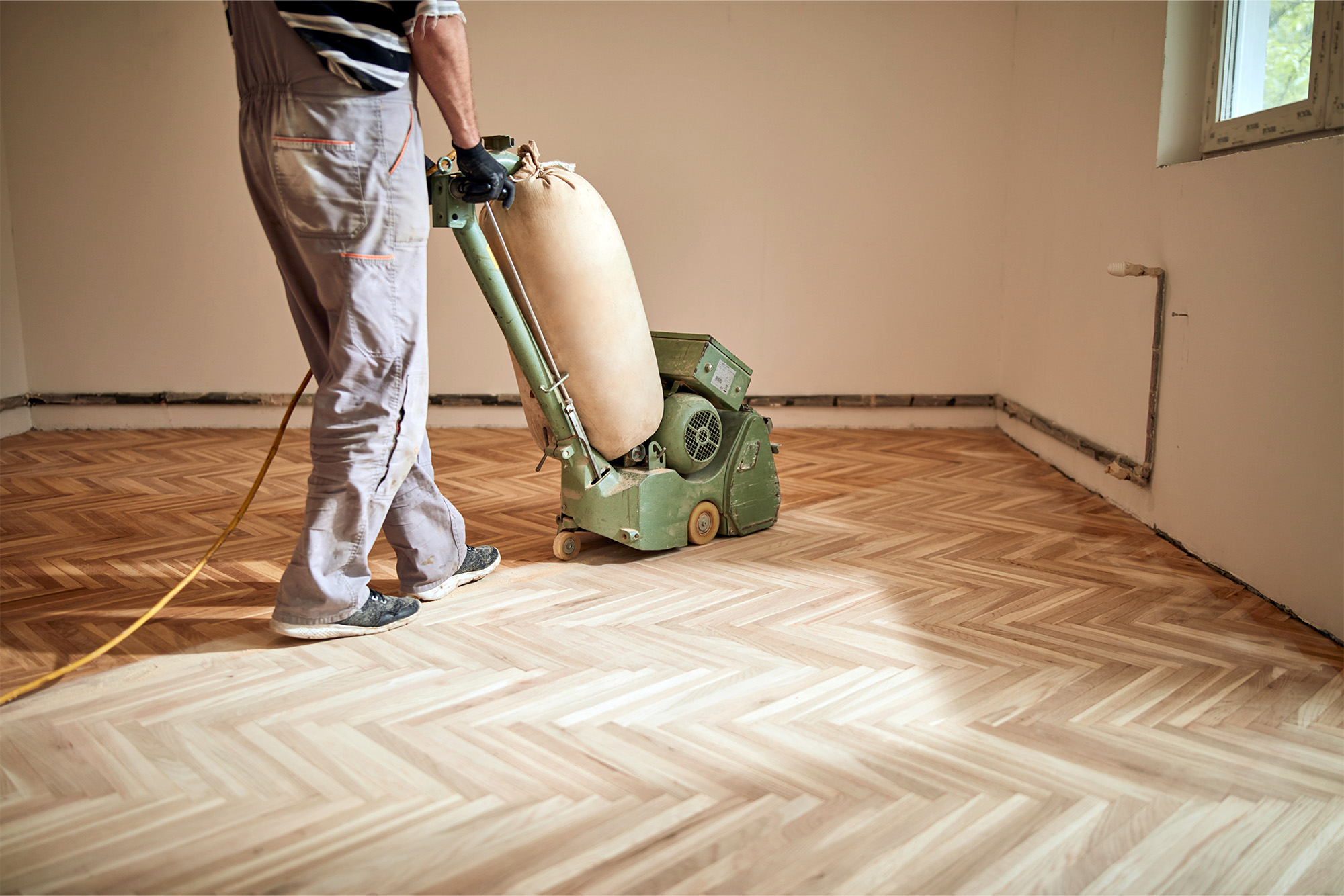
Hardwood floors are one of the few features in a home that can actually last a century. In the Twin Cities, these floors endure decades of salt, slush, and heavy boots, which eventually wear down even the toughest factory finishes. When the surface starts to look dull or scratched, you have to decide if the wood is a candidate for a professional refinish or if it has reached the end of its functional life.
Choosing between a sand-and-seal project and a full replacement comes down to the physical integrity of the wood. A restoration can make a fifty-year-old floor look brand new, but only if there is enough material left to work with.
The Anatomy of a Sand: Checking the Wear Layer
Every time a floor is sanded, a small fraction of the wood is removed to create a fresh, level surface. The "wear layer" refers to the amount of wood available above the tongue-and-groove joint. If the wood becomes too thin, the sander will hit the structural fasteners, or the planks will become brittle and begin to splinter.
How to Perform a DIY Check
You can often see how much life is left in your floor by removing a floor vent or looking at a transition piece where the hardwood meets a different material, like tile. Look at the side profile of the plank. You want to see at least an eighth of an inch of solid wood above the "tongue" (the part that slots into the next board). If the wood looks paper-thin or you can see the groove itself, the floor cannot be safely sanded again.
Signs the Wood Has Reached Its Limit
Beyond the thickness of the planks, the overall condition of the floor tells a story. Some issues are purely cosmetic and disappear after a standard refinishing, while others indicate deep-seated structural problems.
Exposed Nail Heads
If you start to see silver nail heads popping through the surface of your wood, it is a clear sign that the floor has been sanded multiple times in the past. These "shiners" mean the wear layer is almost gone. While a professional can sometimes countersink these nails and fill the holes, it is usually a sign that a full replacement is the more durable long-term investment.
Structural and Water Damage
Surface stains from a spilled drink or a pet usually sand out easily. If your planks are "cupping" (edges are higher than the center) or "crowning" (the center is higher than the edges), there may be underlying moisture issues. If the wood has rotted or the gaps between planks are wider than a nickel throughout the entire room, the labor required to repair the floor often outweighs the cost of starting fresh with a new installation.
Understanding Your Specific Wood Type
The rules for refinishing vary significantly depending on whether you have solid or engineered hardwood. Solid planks are consistent wood from top to bottom, typically allowing for four to seven refinishes over several decades.
Engineered hardwood is constructed in layers with a real wood veneer on top. High-quality engineered floors often have a thick enough veneer to handle one or two light sandings. Thinner, entry-level engineered products are often "one-and-done" floors. If you aren't sure which type you have, an expert can usually identify the construction by looking at the grain and the profile of the boards.
Making the Best Investment for Your Home
Sometimes a floor is technically "sandable," but a replacement still makes more sense for your goals. If you want to change from a traditional narrow-plank red oak to a wide-plank white oak, a refinish won't get you there. A new installation allows you to change the species, the width, and the overall character of the room in ways a stain color change cannot.
Cost is also a factor. While refinishing is generally less expensive than replacement, the price gap narrows when extensive repairs, board replacements, and custom staining are required. We help you weigh these costs so you can decide which path provides the most value for your specific space.
Expert Restoration and Installation in New Brighton
Determining the fate of your original hardwoods shouldn't involve guesswork. At CAP Carpet & Flooring, we specialize in both hardwood refinishing and new hardwood installation. As a family-owned business serving the Twin Cities and western Wisconsin since 1980, we have seen every type of floor in every imaginable condition.
We can visit your home to inspect your wear layer and provide an honest assessment of whether a refinish will achieve the results you want. Whether we are restoring your home's original character or helping you select a brand-new style from our New Brighton showroom, our goal is to ensure your floor is beautiful and durable. To get a professional opinion on your project, you can schedule a hardwood assessment and estimate with our local team.


