

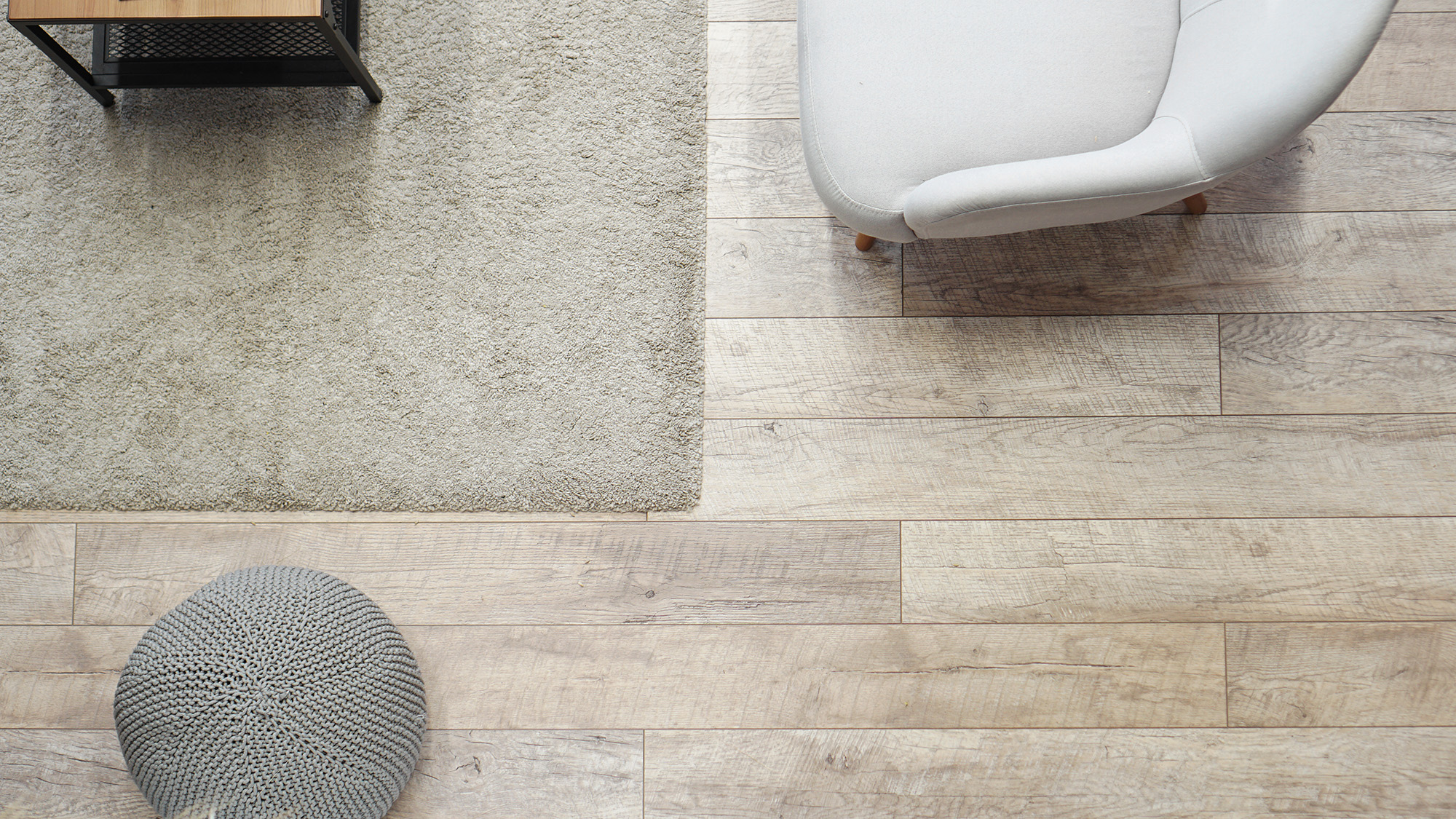
Hardwood usually gets all the attention, but adding a textured rug is what actually makes a room feel finished. You get to play with the contrast between a smooth oak grain and something tactile, like a chunky wool loop. Different materials working together define your living space and give your furniture a solid place to sit. Finding the right balance between a sleek wood floor and a soft surface is one of the best ways to make your home feel personal.
Three Paths to a Layered Home
You have a few different ways to introduce these soft layers, depending on whether you want something you can move around or a permanent part of your floor. Each approach changes how the room functions and how much work goes into the installation.
Finding Your Best Fit with Ready-Made Rugs
The easiest approach is a pre-made area rug. The right rug for your room will create a tactile contrast. A thick, looped wool makes a smooth oak floor stand out because the two surfaces are so different. Neutrals like cream or soft grey will help the wood grain to stay the main focus. Designers generally aim for a frame of wood around the room, leaving about a foot of bare floor between the rug edge and the wall. Size is the most common mistake here; a rug needs to be large enough to tuck under all the furniture legs. This anchors the seating area and prevents that awkward floating island look.
Getting the Exact Dimensions with Custom-Cut Pieces
Furniture placement often dictates the size of your rug, and standard retail options don't always fit the bill. Selecting a specific carpet texture from a roll allows for a piece cut to the exact inch, which prevents your rug from looking too small for a large sectional. Finishing the edges with a wide fabric binding or a simple surged stitch gives the rug a finished, professional look. Customizing the size ensures that the rug frames your seating area perfectly without leaving awkward gaps of bare floor. Homeowners with non-traditional spaces, like a sunroom or an L-shaped basement, find that custom-cut pieces are the most effective way to make the flooring feel like it was designed specifically for their home.
Creating a Permanent Feature with Carpet Insets
Flush carpet insets offer a more architectural look for people who want the luxury of carpet without the height of a rug. Installing an inset involves cutting out a portion of the hardwood so the carpet sits perfectly level with the rest of the floor. Removing that edge eliminates the risk of tripping and makes it much easier to slide dining chairs back and forth. An inset becomes a built-in feature of the house, staying firmly in place regardless of how much foot traffic the room sees. The result is a smooth, sophisticated transition that highlights the character of both the wood and the carpet fibers.
Choosing Textures that Work with Your Wood
Pairing a rugged Berber or a high-low loop with a smooth maple or oak floor creates a great contrast that shows off both materials. Textures where the design comes from the way the fibers are woven, rather than a printed pattern, add subtle movement to a room. This type of tactile surface also helps out in a busy household by hiding common issues like vacuum tracks or footprints. Heavy wool blends or dense nylons provide different levels of softness, so you can choose a luxury feel for a master suite or something more rugged for a high-traffic hallway. Matching the warmth of the wood grain with a neutral, textured fiber keeps the room feeling grounded and calm.
Why Layers Matter When the Weather Turns
Acoustic control is one of the biggest reasons to add soft layers to an open-concept home. Large rooms with only hard surfaces tend to echo, but a thick layer of carpet catches those sound waves before they can bounce around. Adding this extra layer over your hardwood also makes a huge difference in how warm the house feels during a long Minnesota winter. Using rugs or insets to define specific zones helps organize a large floor plan into areas for eating, relaxing, or working without needing to build extra walls. Soft surfaces also act as a shield for the hardwood finish, protecting it from the scratches that come from sliding furniture or heavy daily use.
Perfecting Your Home's Texture
Deciding between a stocked rug, a custom-cut piece, or a permanent inset comes down to how you use your space every day. Each option brings a different feel to the room and helps tie your design together.
At CAP Carpet & Flooring, we can help you choose the best way to layer texture over your hardwood. Visit our New Brighton showroom to see how our massive rug inventory and custom carpet options look next to our wood samples, and find the combination that works for your home.


