

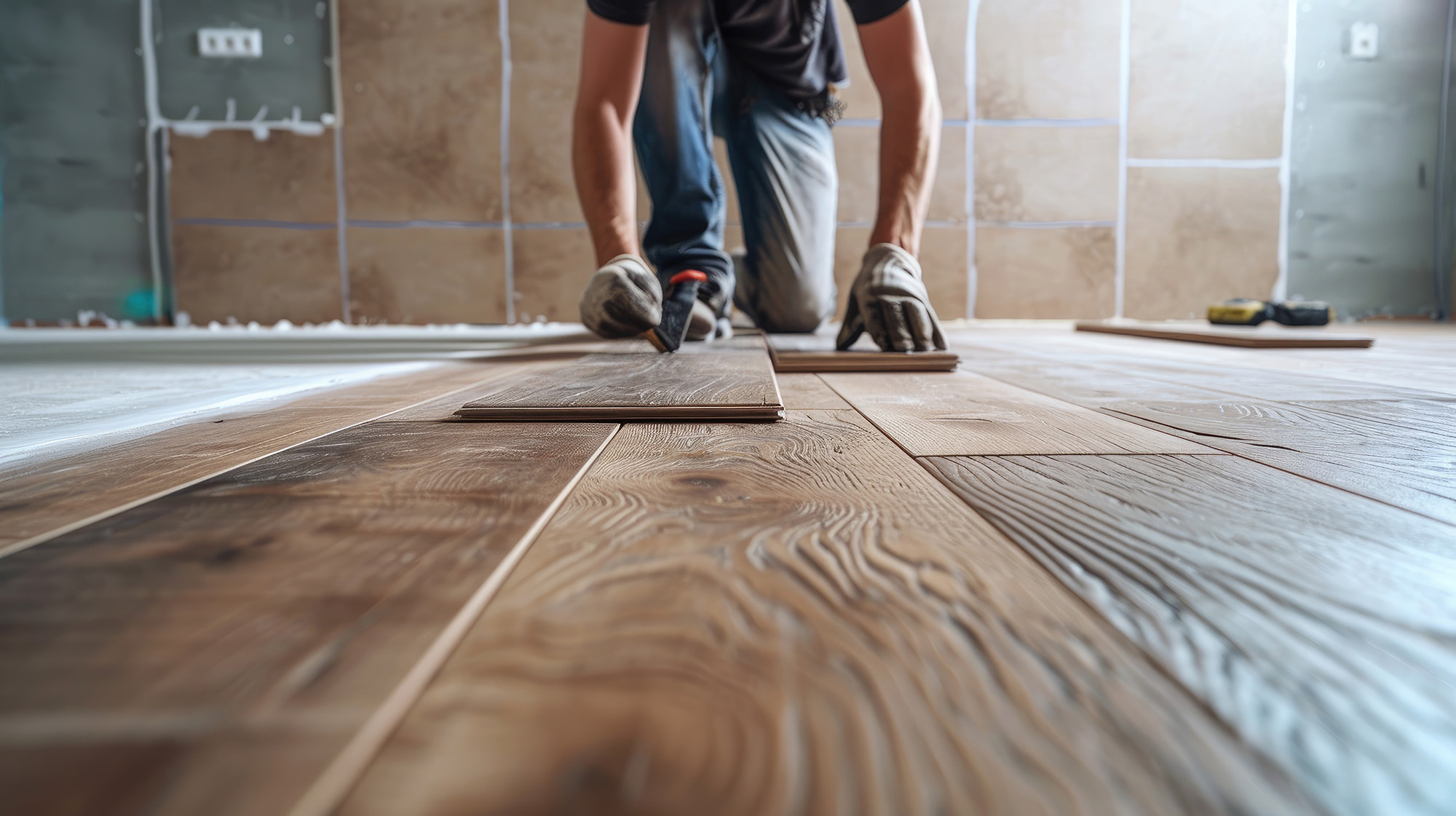
Luxury vinyl plank (LVP) is often marketed as a weekend DIY project. The click-lock systems are intuitive, and the material is easy to handle. Many homeowners believe they can save money by doing the labor themselves. However, the difference between a floor that lasts twenty-five years and one that fails in twenty-four months usually comes down to what happens before the first plank is ever laid.
Professional installation is less about the act of clicking boards together and more about an investment in the long-term structural integrity of your home. When you pay for a professional, you are paying for subfloor preparation and a guaranteed warranty.
Solving the Mystery of "Clicking" and "Peaking"
A common complaint with DIY vinyl floors is a persistent hollow, clicking sound that occurs when someone walks across the room. This noise happens because the subfloor underneath the plank isn't perfectly flat. Even a tiny dip in the plywood or concrete creates a gap. When you step on the plank, it flexes into that gap and hits the subfloor, creating a plastic-on-concrete sound.
Why Seams Start to Peak
You might also notice the short ends of your planks starting to "peak" or lift upward like a small tent. This often happens when the floor was installed too tightly against walls or cabinets without an adequate expansion gap. Because Minnesota homes experience significant humidity swings between our humid summers and dry winters, the floor needs room to move. Without that gap, the planks have nowhere to go but up, which eventually snaps the delicate locking mechanisms.
The Invisible Work: Subfloor Preparation
Most of the value in a professional installation happens while the room is still empty. Industry standards require a subfloor to be flat, but most DIYers skip the step of measuring for these variances, assuming the floor is close enough.
Creating a Flat Foundation
Our installers spend a significant amount of time grinding down high spots in concrete or wood and filling in low spots with specialized leveling compounds. We also use moisture meters to check for hidden dampness in concrete slabs, which is a common issue in Twin Cities basements. If you trap moisture under a non-breathable vinyl floor without the proper barrier, you risk mold growth and adhesive failure that can ruin your new investment.
Protecting Your Manufacturer Warranty
Every box of luxury vinyl plank comes with a thick stack of warranty paperwork that many people overlook. These warranties are heavily weighted in favor of the manufacturer. If you file a claim three years from now because a seam is separating, the first thing a manufacturer's inspector will check is the flatness of your subfloor.
If the subfloor was not prepared to their exact specifications, the manufacturer will likely deny the claim, citing "improper installation." By hiring a professional, you ensure that the project meets every technical requirement needed to keep your 25-year or lifetime warranty valid. You gain the peace of mind that your investment is actually protected against structural defects.
Ensuring Your Floor Stays Quiet and Solid
A professionally installed floor feels different under your feet. It feels solid, quiet, and stable because it is perfectly supported by the foundation underneath it. While the upfront cost of labor might seem like an added expense, it prevents the high cost of tearing out a failing floor and buying materials a second time.
At CAP Carpet & Flooring, we believe in doing the job right the first time. As a family-owned business in New Brighton since 1980, we have seen the results of DIY projects that didn't go as planned. We understand how our local climate affects floating floors and what it takes to make them last for decades in a busy household.
If you want to ensure your new floor is installed to the highest industry standards, come visit us in our New Brighton showroom. We can walk you through our process and help you schedule a professional measurement and installation estimate for your home.


