

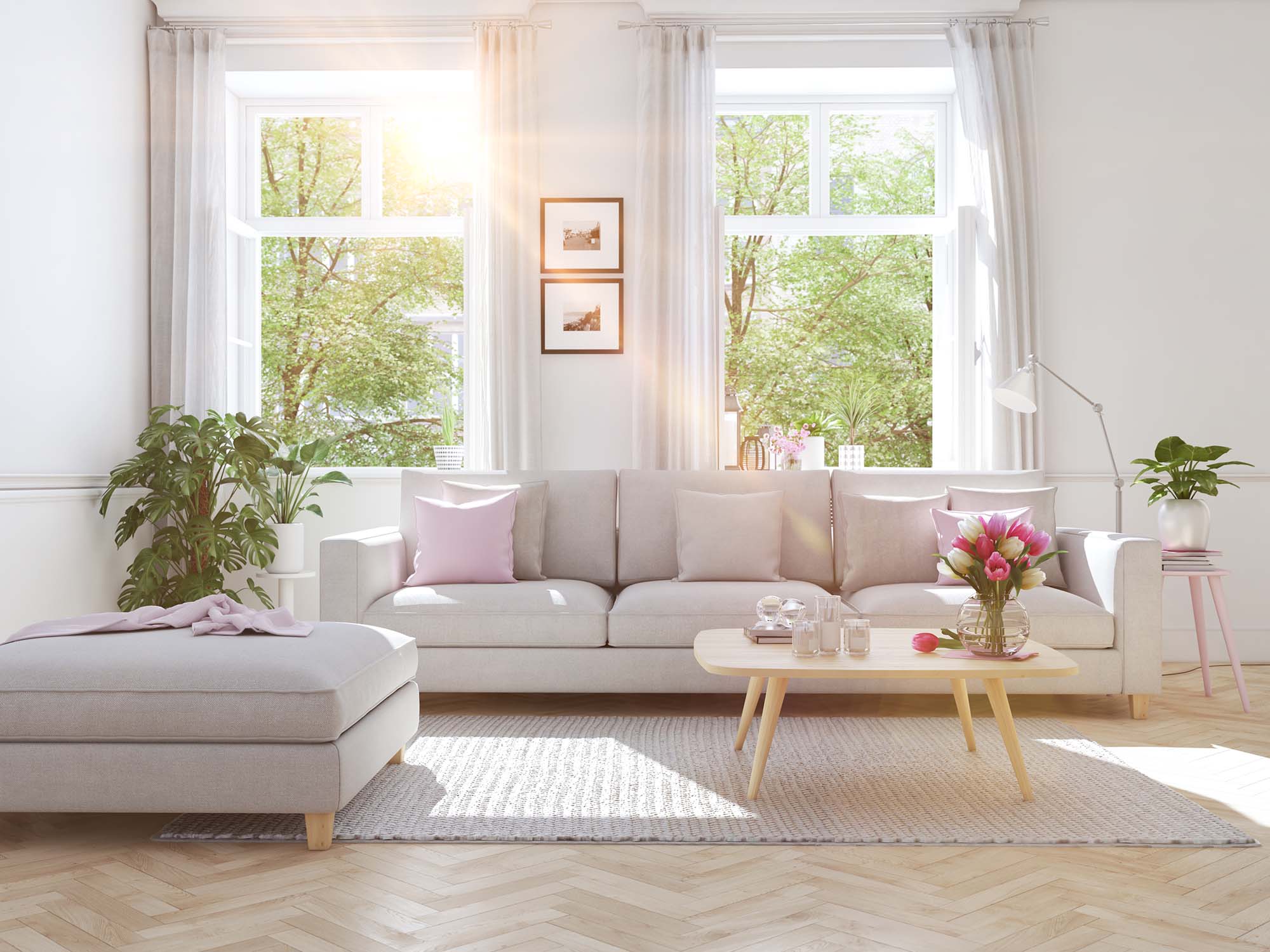
The way your flooring is installed impacts how your eyes move through each room. Though running planks the length of the space is the standard method, there are a variety of choices so you can create the look you want. Different layout patterns create visual interest and depth, which can make a small space look larger or a large space seem warmer. Your final choice depends on the specific atmosphere you want to achieve.
Defining Your Home with Strategic Installation
Most homeowners stick with parallel boards when they’re putting in hardwood or a wood-look plank like luxury vinyl. It’s the classic approach for a reason. If you want something with more personality, you can go with a diagonal layout or even a complex herringbone or basketweave. Keep in mind that these patterns aren't a DIY project. A professional has to handle the layout to make sure the lines stay straight and the joints stay tight, otherwise the whole room will look crooked.
Timeless Parallel Planks
Standard installs usually involve laying planks side-by-side along the longest wall of a room. Narrow hallways or galley kitchens benefit from this direction because the long, straight lines make the space feel deeper and more streamlined. Installers often recommend this approach for its efficiency and lower labor costs compared to more complex patterns. Because the boards are laid straight, there is less cutting involved, which reduces material waste to about 5% or 7%. Most homeowners choose a parallel layout when they want a clean, traditional look that allows other design elements, like furniture or cabinetry, to remain the focal point.
Expansive Diagonal Layouts
Laying planks at a 45-degree angle across the room pulls the eye toward the corners rather than the flat surface of the walls. Small, boxy rooms often feel wider with a diagonal install because the longest line in any square is its diagonal. Cutting boards at angles requires more material and more precise math, so you should expect about 10% to 15% more waste than a straight lay. A diagonal pattern is particularly useful in older homes where the walls are not perfectly square, as the angled lines camouflage the unevenness of the room. Entryways or foyers are common places for this layout to add a custom feel to the first thing people see when they walk in.
Architectural Herringbone and Chevron
Zig-zagging patterns like herringbone and chevron bring a level of energy you won’t get from straight planks. While they look similar from a distance, the difference is in the cut—chevron pieces meet at a clean V-point, whereas herringbone planks overlap at the ends. You’ll mostly see these in formal dining rooms or master suites where the floor needs to feel like a high-end design feature rather than just a background. They pair beautifully with a modern farmhouse or traditional aesthetic, though they do require a much bigger investment in labor. Every piece has to be measured and cut to the exact same size to keep the lines from "drifting" across the room.
Detailed Parquet and Basketweave
Parquet and basketweave installation patterns are complex but are truly works of art. Creating a surface that adds visual depth and character, parquet and basketweave designs rely on the precise alignment of small wood blocks to form repetitive geometric shapes. Every single piece must be positioned by hand, demanding a level of patience and craftsmanship rarely seen in modern construction. Labor costs for such detailed layouts reflect the slow pace of the build, yet the final result provides an architectural anchor that a standard plank floor cannot match. Classic homes or formal foyers benefit most from the craftsmanship, resulting in a timeless feature that remains beautiful for decades.
Creating Flow in Open-Concept Spaces
Managing transitions in an open floor plan requires careful planning to ensure the house feels cohesive. Running the same material in the same direction through every room makes a home feel larger and more connected. Rotating the plank direction 90 degrees can be used to define a specific area, like a dining nook, without the need for a physical wall. Subtle shifts in the floor layout help organize a large space into functional zones for eating, relaxing, or working. Consistency is usually the goal for a modern look, but a well-placed change in direction can highlight a specific architectural feature or a change in the room's purpose.
Choosing the Right Installation Pattern for Your Style
Deciding on an installation pattern for your hardwood or luxury vinyl plank flooring depends on the size of your room and the amount of detail you want on the floor. Parallel boards offer a timeless, cost-effective solution, while geometric patterns provide a custom architectural look. Matching the layout to the flow of your home ensures the final result feels balanced and professional. Our team can help you look at different patterns next to your material samples to see which one fits your vision. Visit our New Brighton showroom to plan your next project.


